That is why it makes sense to work backwards from how you plan to train.
Trojan Fitness stocks home treadmills, folding models, curved treadmills, high-incline machines, and commercial options. Some are designed around straightforward walking and home cardio. Others give you a larger running surface, higher speeds, stronger motors, or more room to change the intensity of a workout.
You do not necessarily need the treadmill with the longest specification sheet. You need one whose specifications make sense for the person using it.
Start With How You Plan to Use Your Treadmill
If walking will make up most of your training, look first at the speed range, available walking area, controls,s and the amount of room the machine takes up at home. A model that folds away may also be useful when the treadmill shares a room with other equipment or furniture.
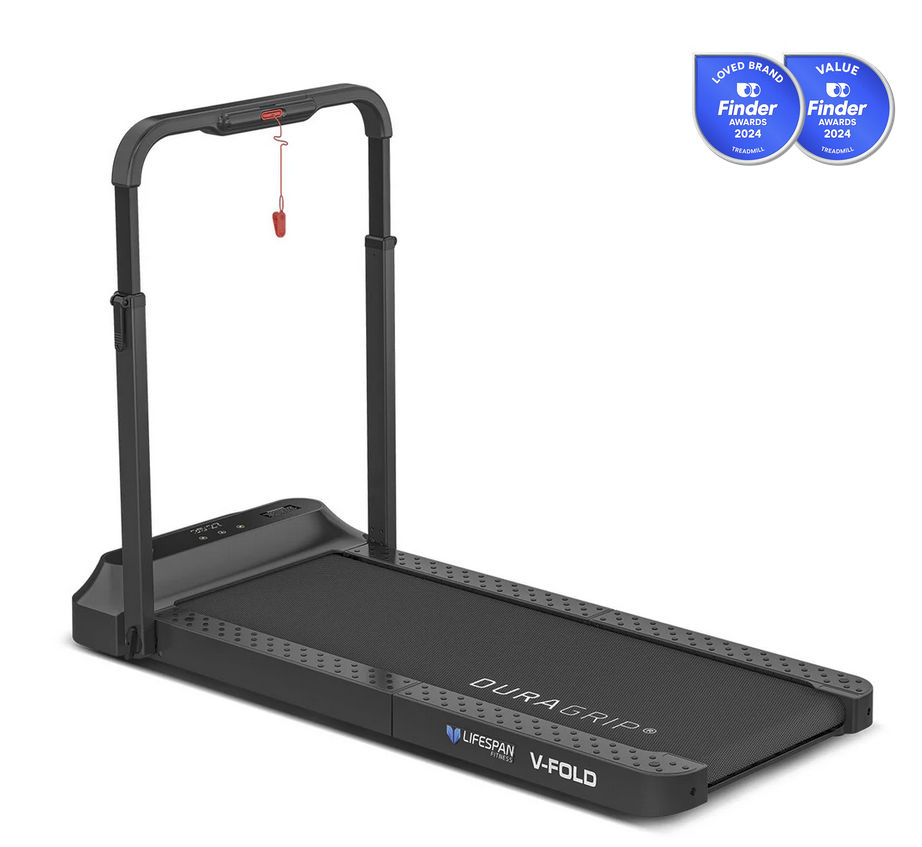
The Lifespan Fitness V-FOLD Treadmill with SmartStride is one example in the current range. It reaches speeds of up to 12 km/h and folds down to 100 x 72 x 16 cm for storage. Its running surface measures 1200 x 440 mm.
Regular runners will usually have a different shortlist.
More space on the belt can matter once your stride opens up, and you will want to look more closely at the motor and available speed. The SOLE F80 Treadmill, for example, has a 3.5 HP motor, a 55 x 152 cm running surface and a speed range of 1 to 20 km/h.
Those numbers are useful because they let you compare actual machines. They should not be turned into a rule that says everybody needs the same motor or belt dimensions.
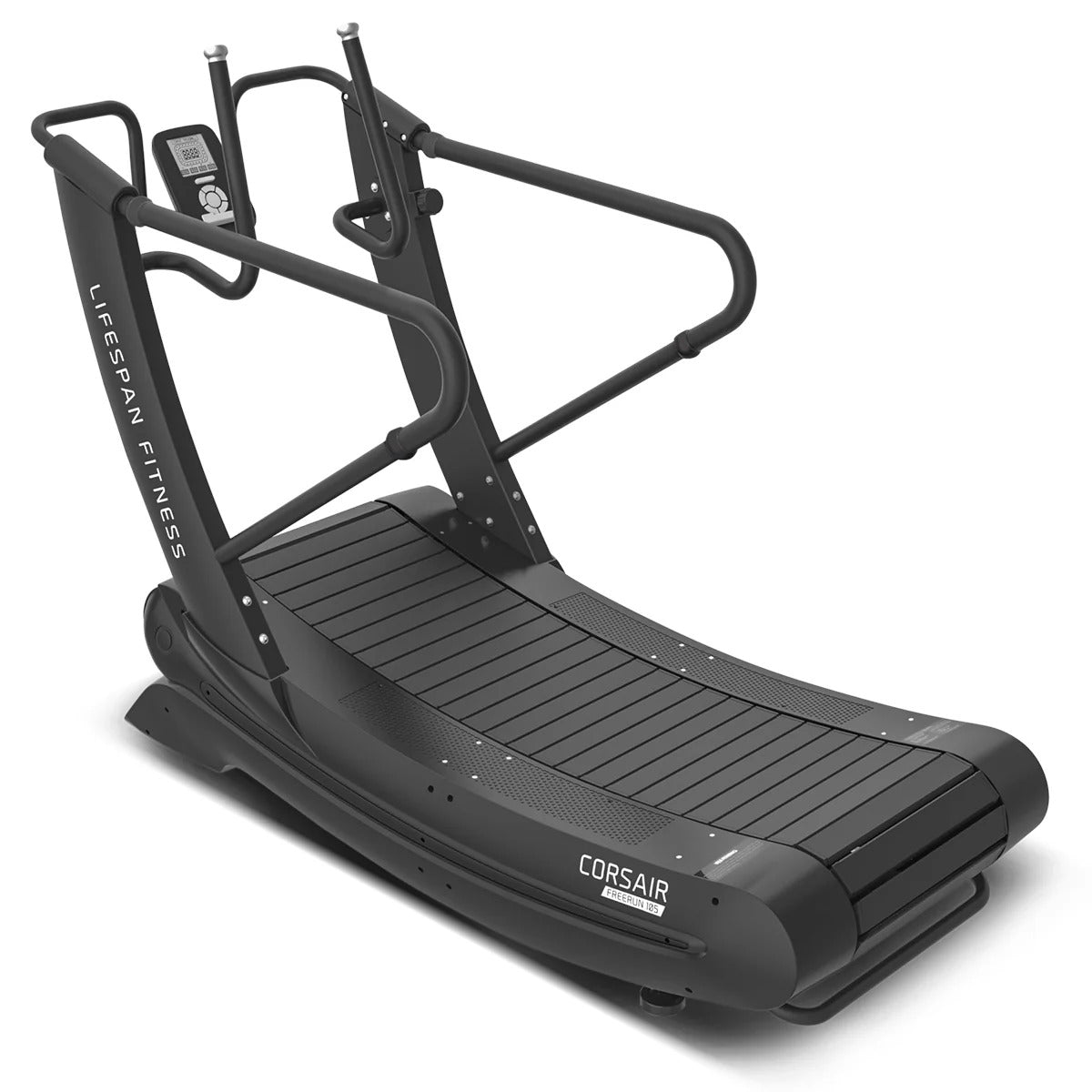
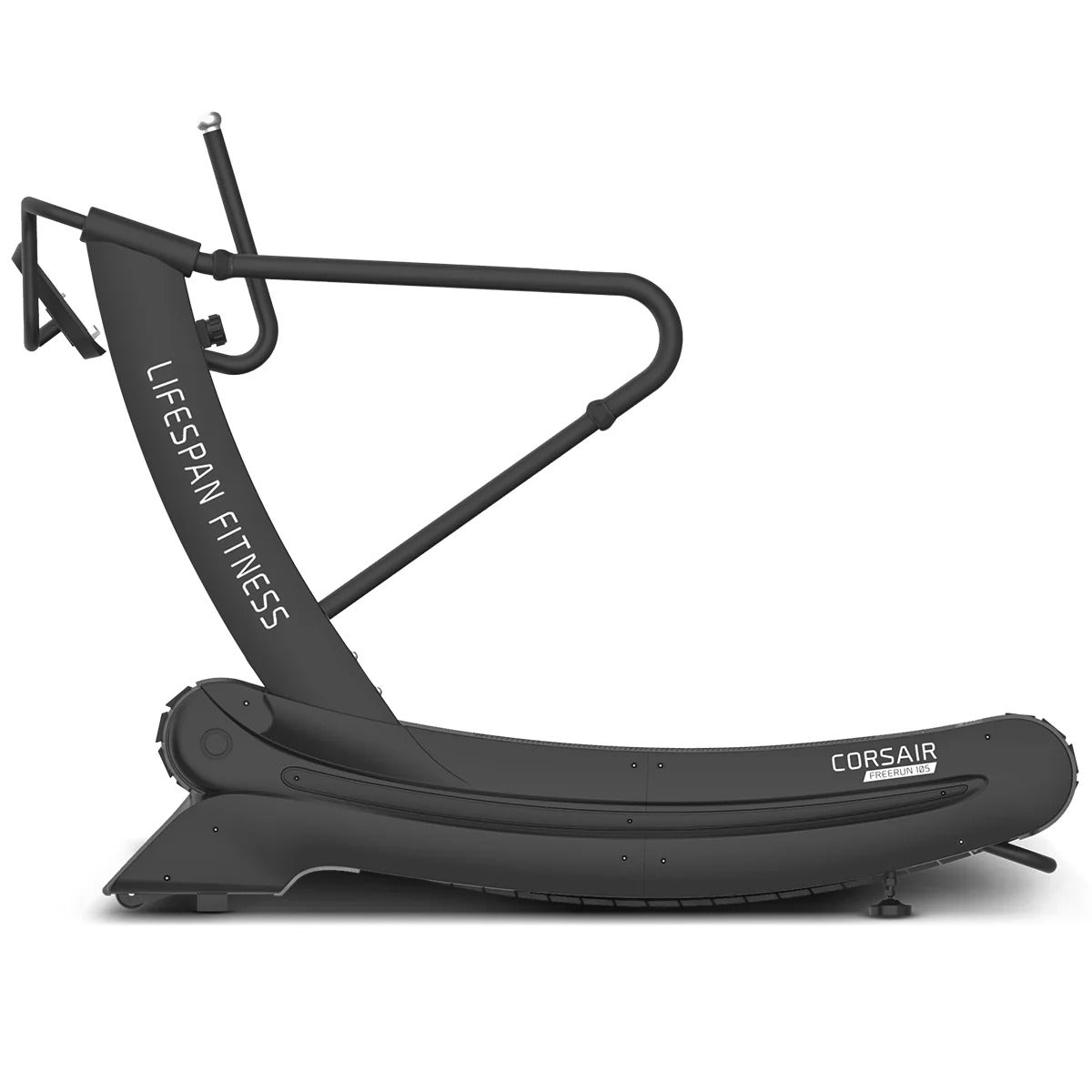
There are other ways to train too. Trojan's range includes the CORSAIR 105 Curved Treadmill, where your movement drives the belt rather than a motor. If you are deciding between the two designs, Trojan's electric vs curved treadmill guide goes into that difference in more detail.
What Treadmill Specifications Actually Matter?
Treadmill listings contain plenty of numbers. Not all of them deserve the same attention.
Motor and Speed
Motor specification is worth checking, particularly when you are shopping for a treadmill that will be used regularly for running. But a bigger motor number does not automatically make one treadmill the right choice for you.
Look at it alongside the machine's speed range, running area, intended use, and maximum user weight.
If you mainly walk, there may be little benefit in paying for performance you will never use. If running is a regular part of your week, choosing purely on the lowest price can leave you comparing machines built for quite different workloads.
Running Surface
The usable belt is more important than the overall size of the treadmill might suggest.
Check both its length and width. A person walking at a moderate pace does not move in exactly the same way as somebody running, and stride length differs between users as well.
A bigger-looking treadmill does not necessarily give you more room to run, so compare the actual belt measurements.
Incline and Decline Options
Not everybody needs a large incline range, but it can give you another way to change a workout without simply increasing speed.
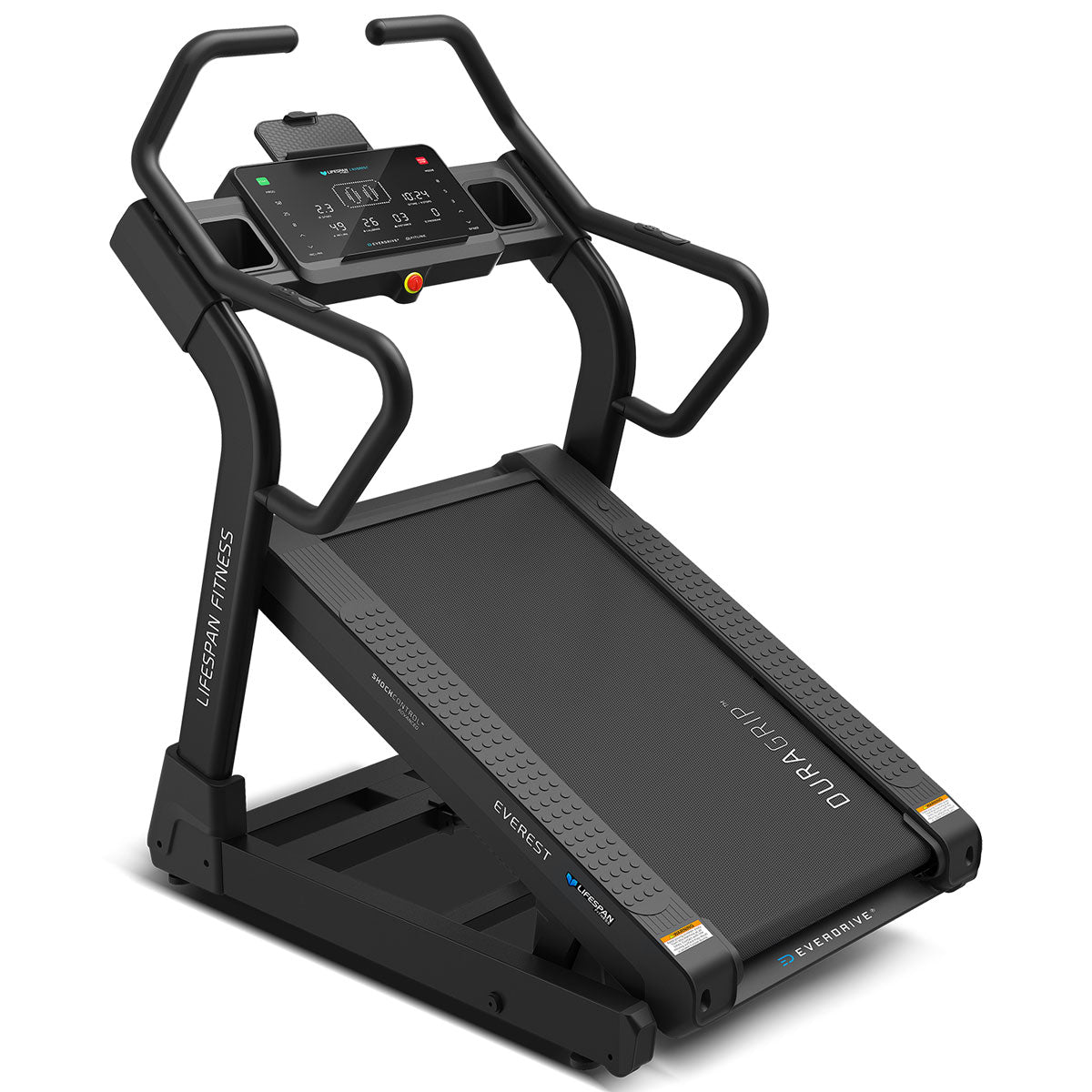
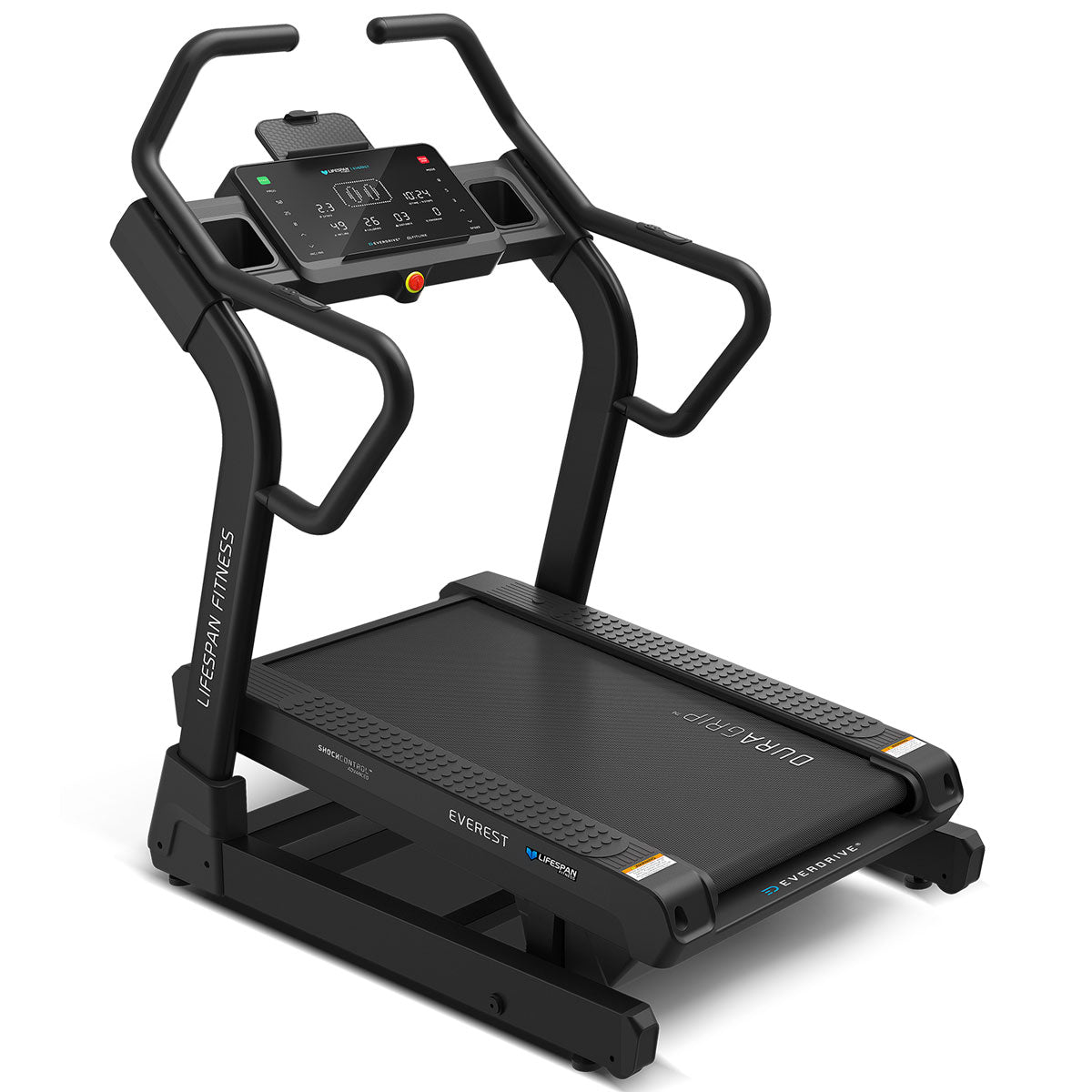
There is quite a bit of variation within the Trojan range. The Lifespan Fitness Everest Ultra High Incline Treadmill, for example, offers automatic incline up to 50% and decline down to -5%, with speeds from 0.5 to 16 km/h.
That is a very different setup from a treadmill bought mainly for steady walking. If incline training is something you know you will use, it becomes a meaningful buying consideration. If not, it should not be the feature that pushes you towards a more expensive machine.
Maximum User Weight and Build
Check the stated maximum user weight for the particular model rather than assuming all treadmills are built to the same limit.
This becomes especially relevant when several people will share the treadmill or when you are comparing home equipment with a heavy-duty treadmill or commercial model.
Also look at how the manufacturer classifies the machine. A treadmill sold for commercial use has a different intended use from a compact machine built primarily around home training.
Choosing a Home Treadmill That Fits Your Space
A home treadmill in Australia has to work with the space you actually have, not the room shown in the product photos.
Measure the intended area before you order. Then check the treadmill's assembled length and width and any clearance required around it. If it folds, look at both sets of dimensions.
This matters because "folding" covers very different designs. Some treadmills reduce their footprint considerably when stored; others simply lift part of the deck.
Noise deserves some thought as well if the treadmill will be used in an apartment or shared home. There is no single reliable noise level for every machine. The motor and moving belt contribute, but so can your footfall, the flooring underneath, and vibration through the room.
Unless a manufacturer publishes tested noise data for a specific model, avoid treating words such as "quiet" as a precise measurement.
Do You Need a Smart Treadmill?
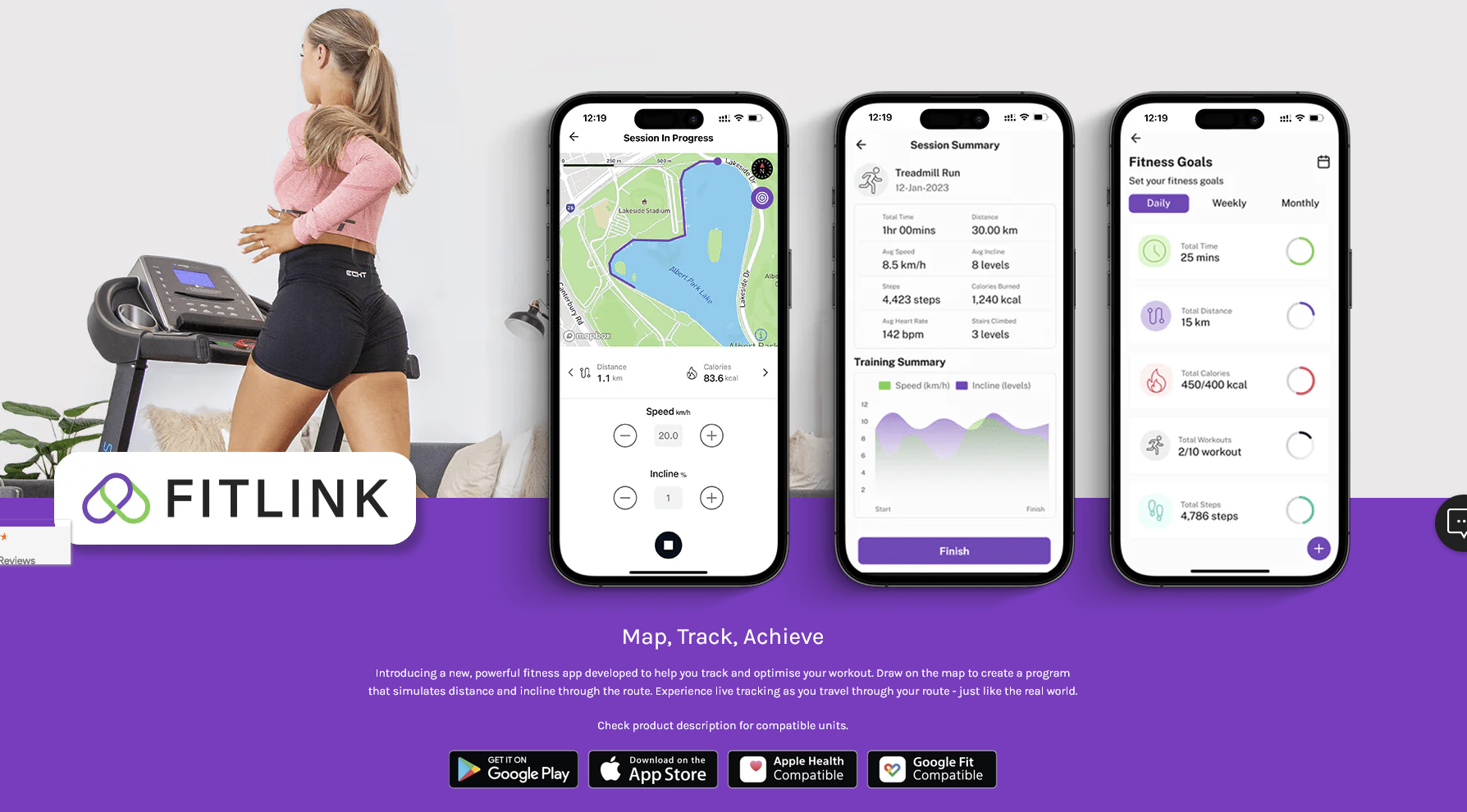
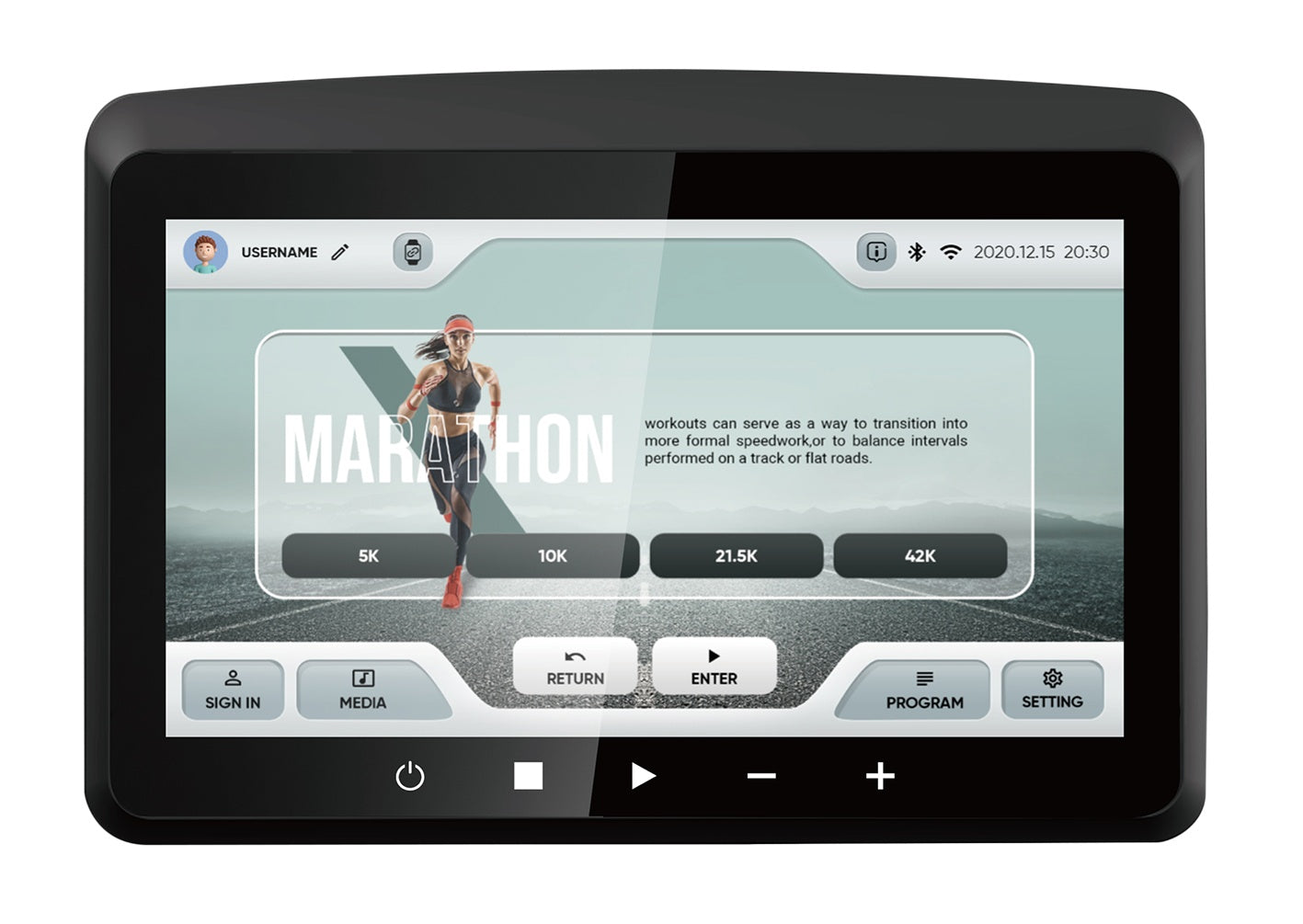
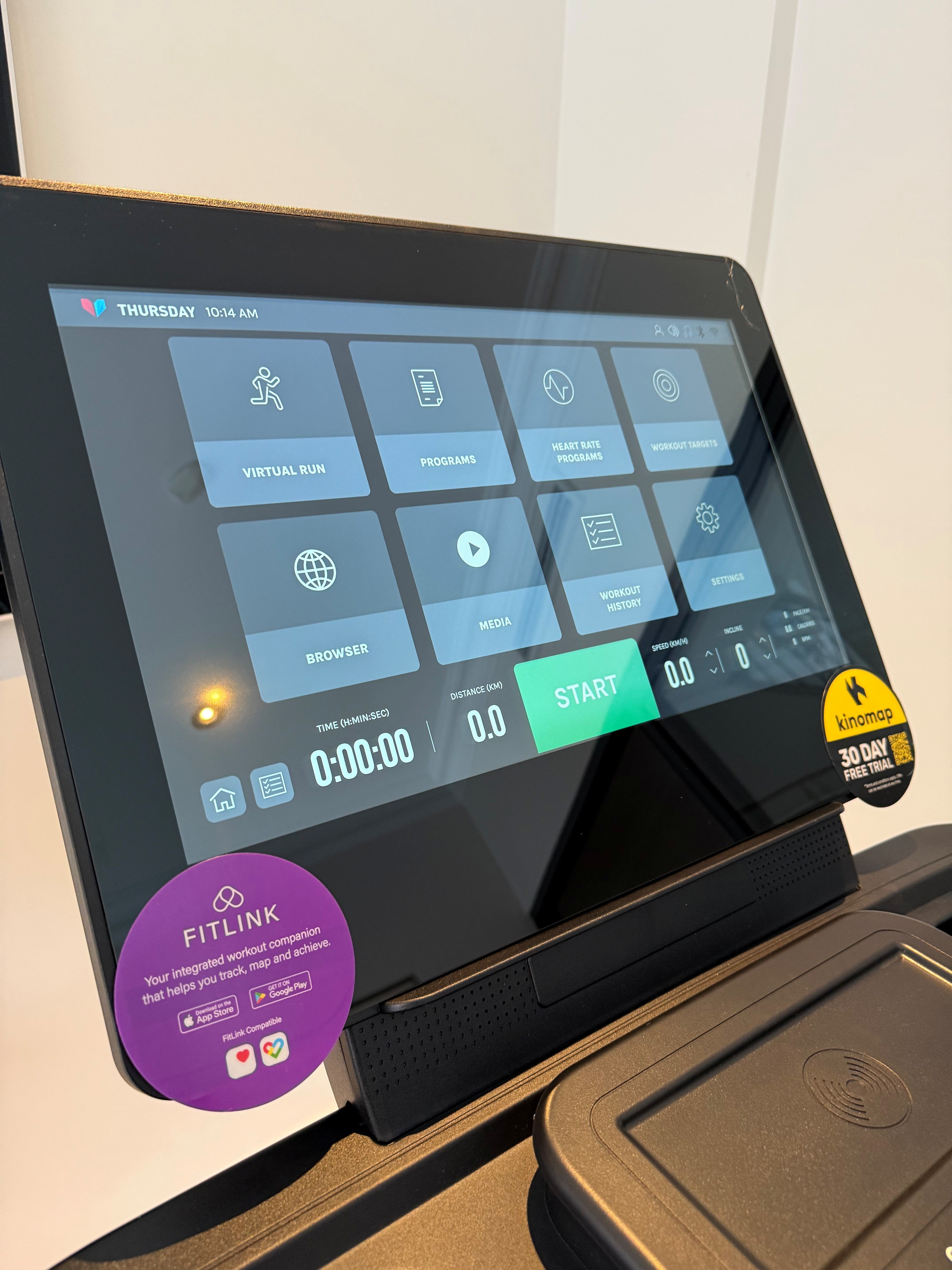
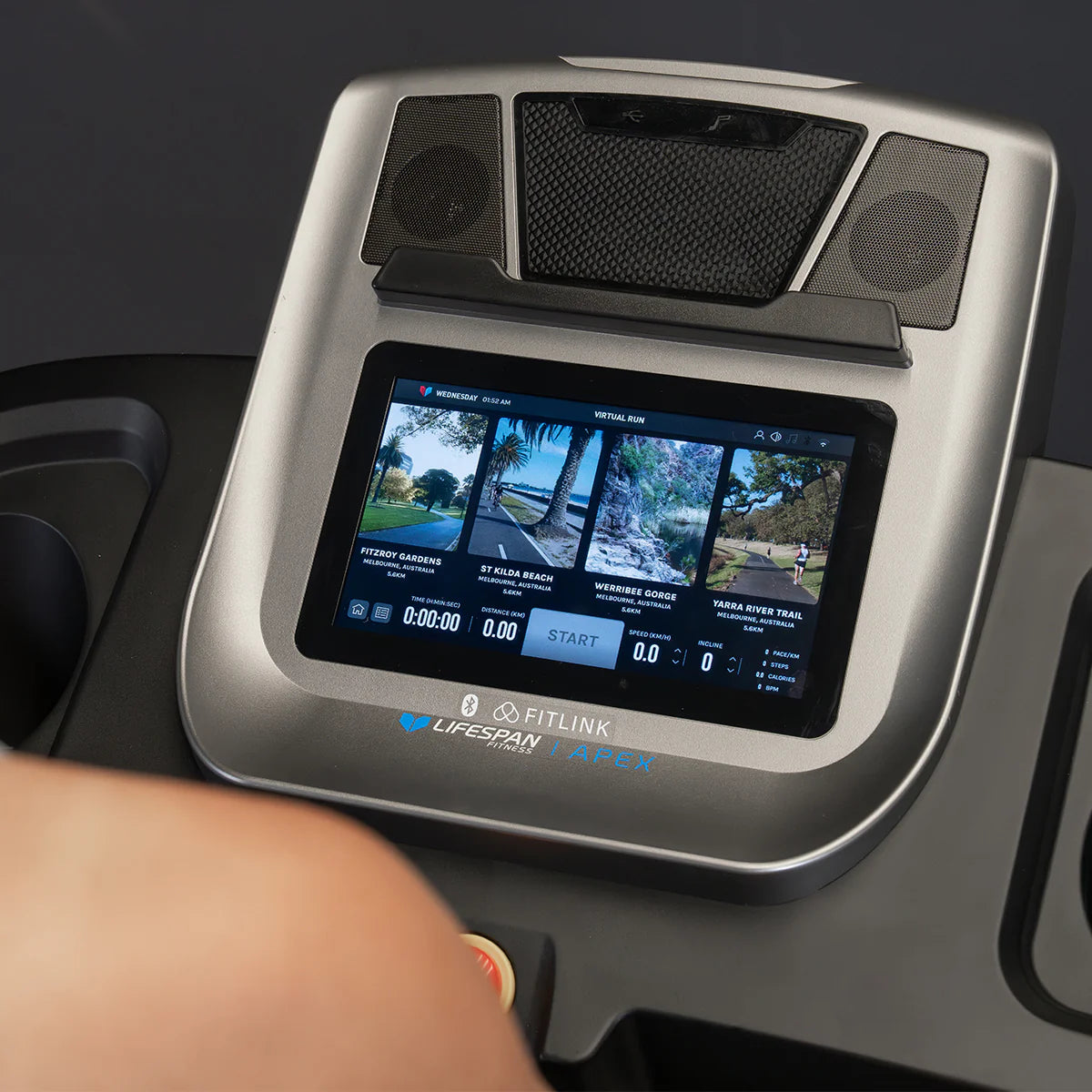
Touchscreens, workout programs, app compatibility, and entertainment features can be useful, but they should come after the basics.
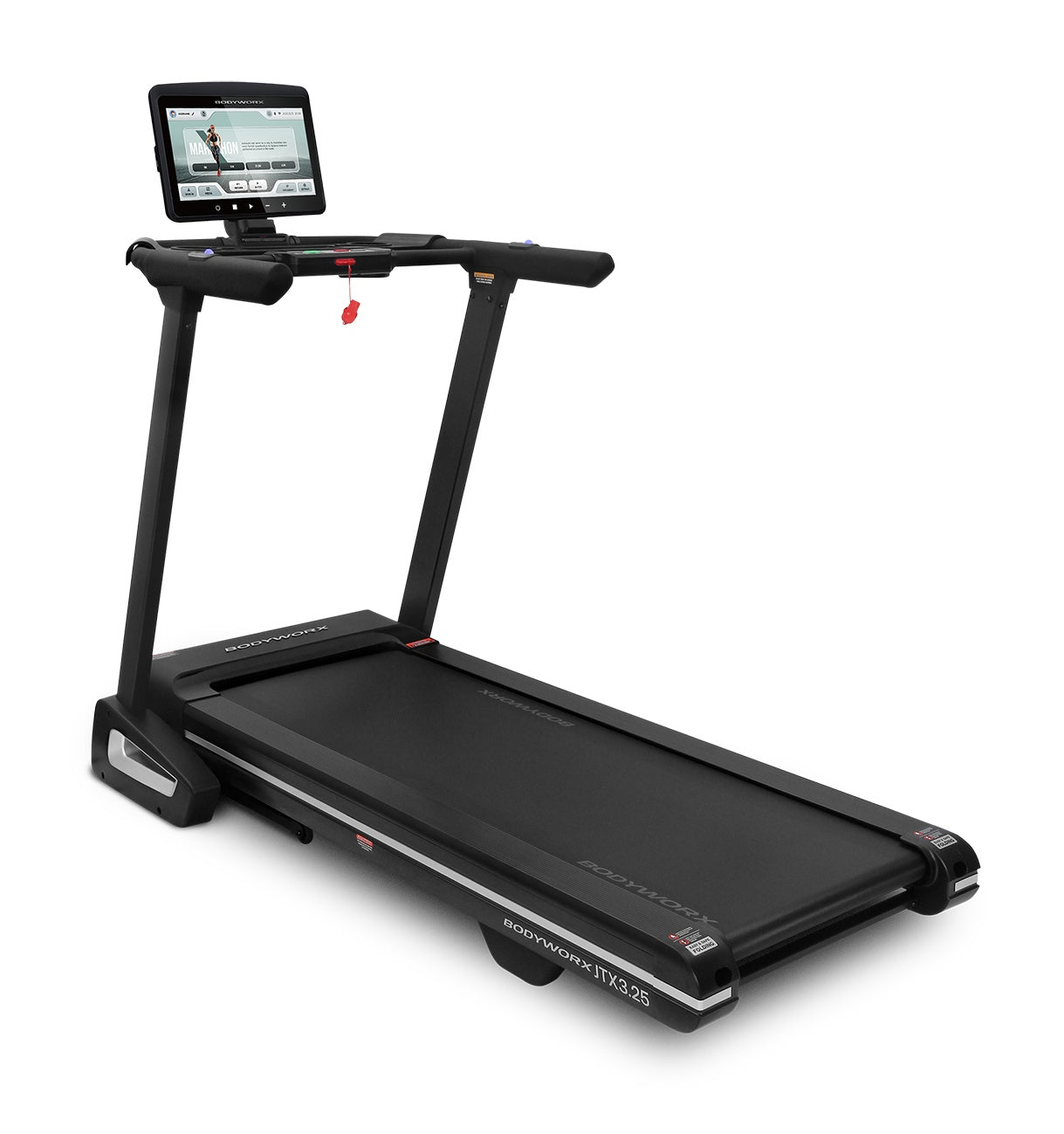
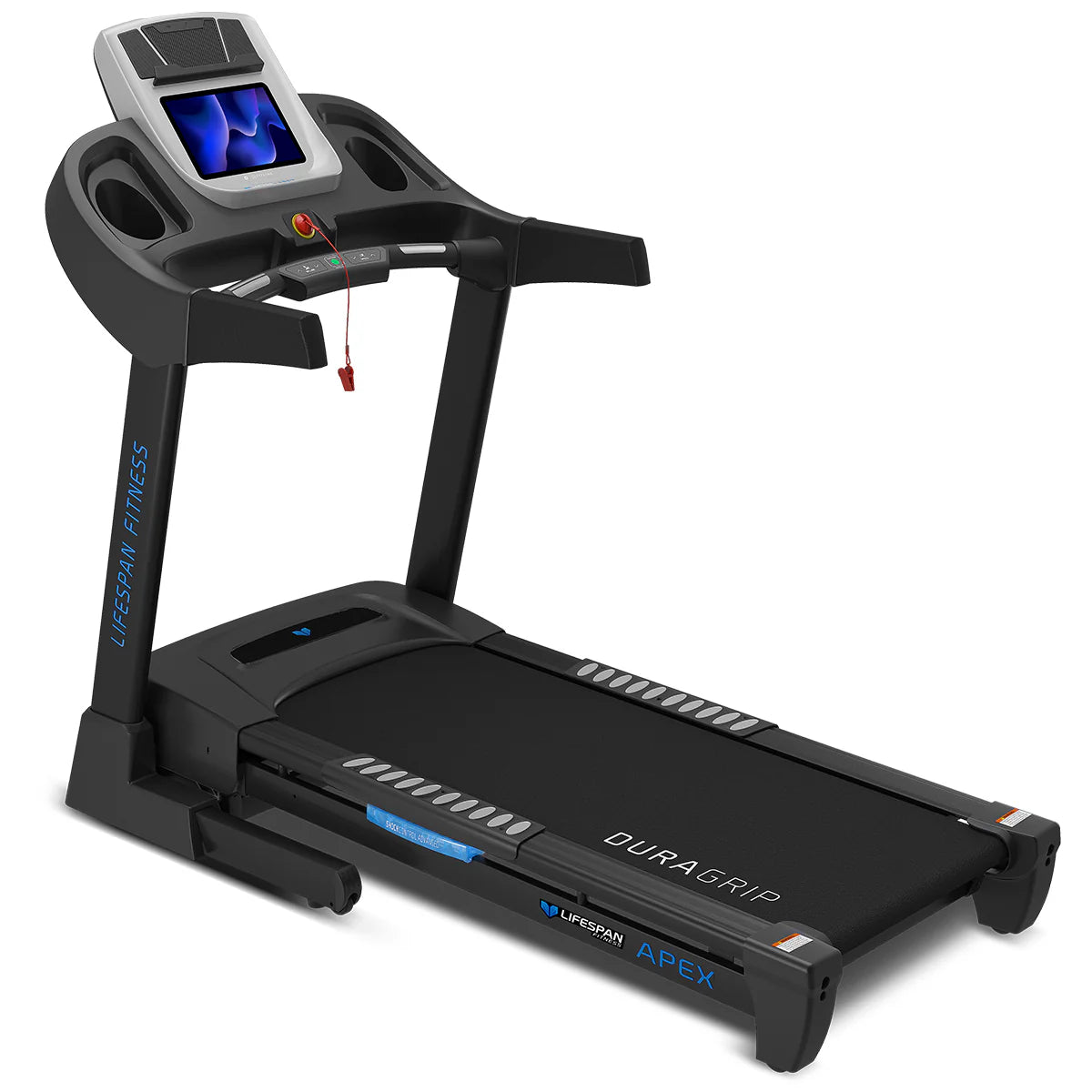
Trojan's current collection includes touchscreen and smart models alongside treadmills with much simpler consoles. The BodyWorx JTX3.25, Lifespan Fitness Apex 2 Smart, and several SOLE models are examples of treadmills where console technology is a more noticeable part of the package.
Think about how you normally train before paying extra for it.
If you like following programs, tracking information on a larger display,y or using connected features, those additions may matter to you. If you normally set a speed and start walking or running, a sophisticated screen may have much less influence on your experience than the running surface or motor.
There is no point buying a feature just because it looks impressive on the product page.
Heavy-Duty and Commercial Treadmills
The other end of the range looks quite different from a compact home treadmill.
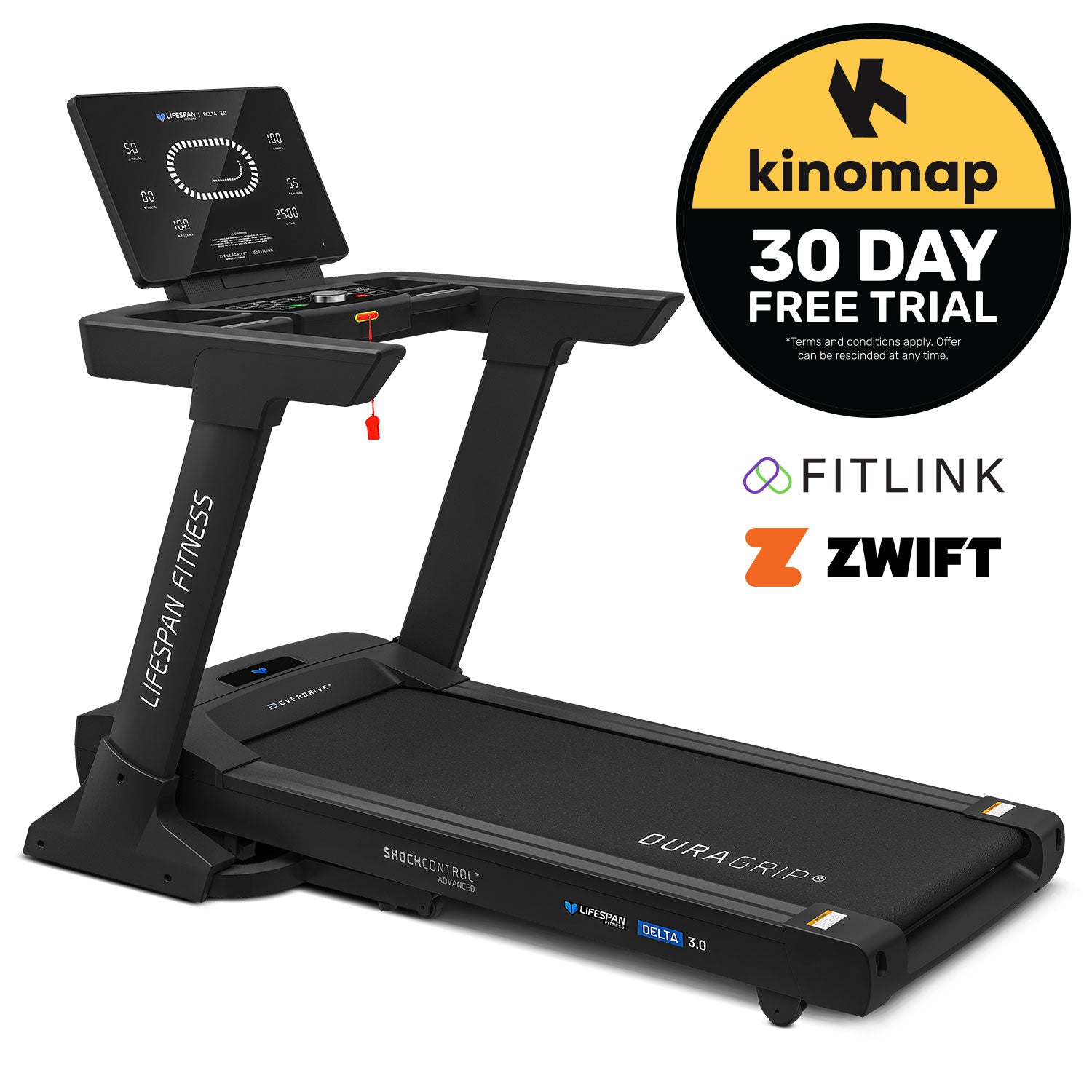
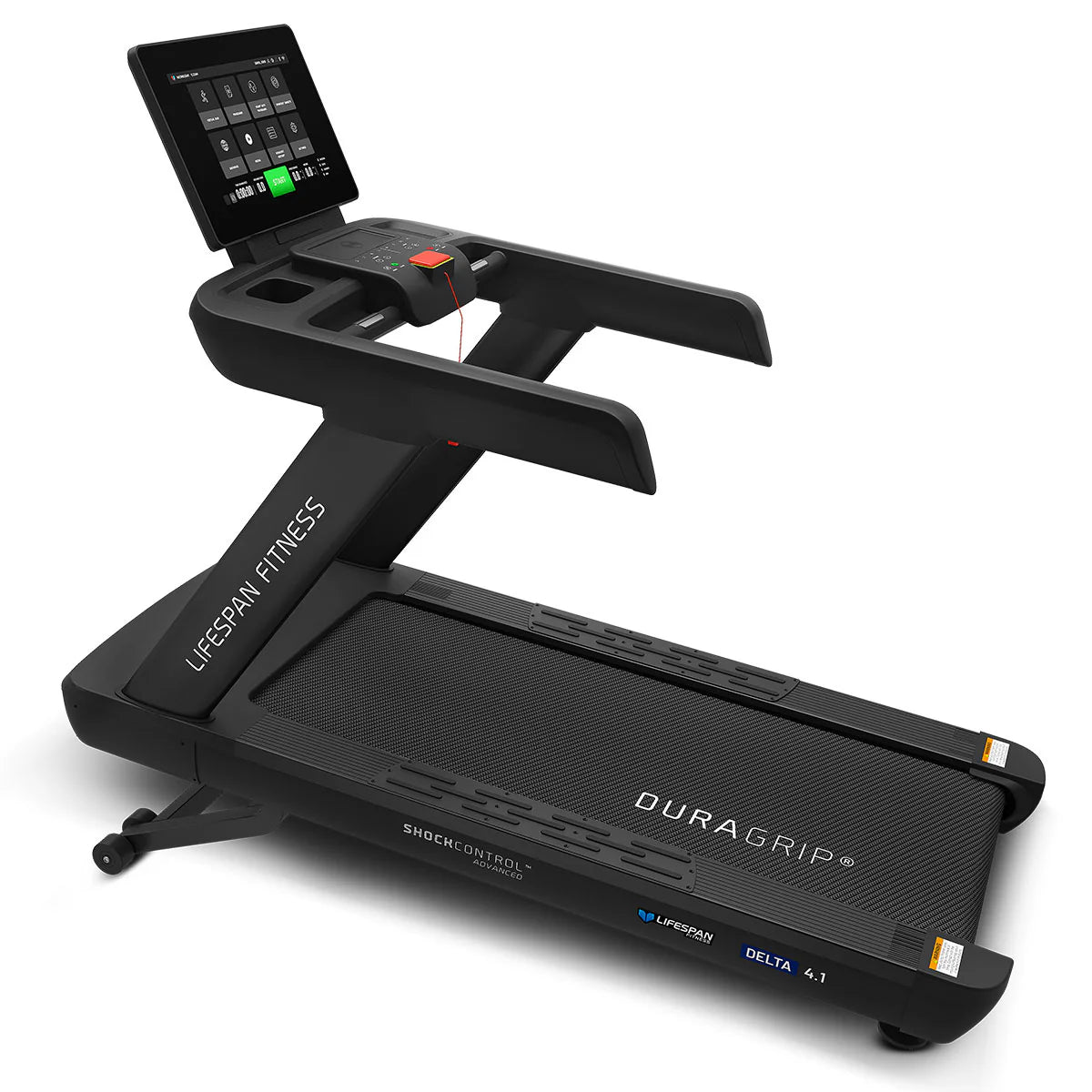
Trojan carries commercial treadmill options such as the Lifespan Fitness Delta 4.1 Commercial Treadmill. It uses a 4.5 CHP AC commercial motor, provides a 1600 x 600 mm running surface, and has a stated maximum user weight of 190 kg. The treadmill also reaches speeds of up to 25 km/h.
Those specifications show why it is useful to separate commercial machines from lighter home options rather than treating every treadmill as directly comparable.
If you are specifically looking for a heavy-duty treadmill, check the intended use, motor, frame, running area, maximum user weight, dimensions, and warranty. The words "heavy duty" on their own do not tell you enough about how a treadmill is built or what it is intended to handle.
Finding Value Without Paying for Features You Do Not Need
The best value treadmill in Australia is not necessarily the cheapest model in a collection. Value depends on what you are getting for the money and, more importantly, whether you will use it.
Someone buying an affordable treadmill for sale mainly for walking may get very little extra value from paying for a high top speed or advanced running features. A frequent runner may look at the same cheaper machine and decide the larger running deck or stronger motor on another model is worth paying for.
Start with the things that affect your training: motor and speed, running area, incline, user capacity, dimensions and intended use.
After that, compare programs, displays, connectivity and other extras.
This is also a more useful way to approach searches for the best treadmill in Australia. There is no credible single winner for every buyer. The best option changes with your budget, available space, body size, training style and how frequently the treadmill will be used.
Treadmills for Sale in Perth, WA
For customers comparing treadmills for sale in Perth, Trojan Fitness is located at 8/200 Winton Road, Joondalup, WA.
That local presence can be useful when you are weighing up a purchase that is much larger than a typical piece of home fitness equipment. Selected treadmill product pages currently advertise Perth Metro delivery, and installation is available on selected models, so check the individual product page for the options that apply to the treadmill you are considering.
If you have been comparing treadmills in Perth, WA, start by narrowing the range according to use rather than brand or price alone.
A walker with limited floor space may put a folding design near the top of the list. A regular runner could place more weight on running area, speed and motor specifications. Someone building a studio or higher-use training space may be better served looking at the commercial end of the range.
Shopping elsewhere in Australia? The same logic applies.
Decide what the machine needs to do first. Once that is clear, comparing the treadmills in Australia that suit those needs becomes far more useful than trying to find one treadmill that is supposedly right for everybody.
 All Payment Methods are Accepted