Your glutes are the largest and most powerful muscle group in your body, but for most people, they’re also the most underused. Sitting for long hours, poor posture, and lack of targeted training can leave your glutes inactive. This leads to weakness, poor movement, and even pain in your lower back, hips, and knees.
No worries. You don’t need a gym to fix this.
With the right glute exercises, you can activate, strengthen, and grow your glutes using just your bodyweight or simple fitness equipment at home.
This guide will help you discover the most effective glute exercises you can do at home. You’ll learn how to make your glutes work properly and how to build stronger, more powerful fitness glutes step by step.
Let’s get started.
What Are Glutes?
Your glutes, short for gluteal muscles, are a group of three muscles located in your hips and buttocks. They are responsible for powering nearly every lower-body movement. They play a key role in strength, balance, and posture.
Glutes are the muscles that help you move, stabilise your body, and generate power during activities like walking, running, squatting, and lifting.
When your glutes are strong and active, your entire body moves better. When they’re weak, other muscles compensate which leads to pain or injury.
Three Glute Muscles Explained
1- Gluteus Maximus (Power & Size)
The gluteus maximus is the largest muscle in your body. It’s the main driver behind powerful movements.
- Responsible for hip extension (moving your leg backwards)
- Helps with explosive movements like jumping, sprinting, and lifting
- Key muscle targeted in any gluteus maximus muscle workout
If your goal is bigger, stronger glutes, this is your primary focus.
2- Gluteus Medius (Stability & Shape)
The gluteus medius sits on the outer hip and plays a crucial role in stability.
- Controls hip movement and balance
- Essential for walking, running, and single-leg exercises
- Prevents hip drop and knee misalignment
This is why glute medius exercises are essential for injury prevention and balanced strength.
3- Gluteus Minimus (Support & Control)
The gluteus minimus is the smallest and deepest glute muscle.
- Assists with hip stabilisation
- Supports smooth, controlled movement
- Works closely with the glute medius
They’re often overlooked but critical for proper movement mechanics.
Done with all glute muscles and their function. Now let’s discuss why balanced glute training is essential and how it directly impacts strength, performance, and injury prevention.
Why Glutes Need Balanced Training
Balanced glute training ensures all three glute muscles work together to improve strength, stability, and prevent injury, rather than overloading one area while neglecting others. Most people focus only on basic movements like squats but that’s not enough to fully develop strong, functional glutes.
Key Benefits of Glute Training
Training your glutes correctly does far more than just shape your physique. It plays a major role in improving your overall strength, movement, and long-term health, especially when you consistently include the best glute exercises in your routine. Here’s how:
➣ More Power and Strength
Your glutes are a major power source. Strong glutes improve lifting strength, boost athletic performance, and enhance explosive movements like sprinting and jumping.
➣ Better Posture and Movement
Strong glutes stabilise your pelvis and spine, improving posture, movement efficiency, and overall body alignment.
➣ Injury Prevention (Back, Knees & Hips)
Weak glutes lead to pain and injury. Strengthening them reduces strain on your lower back, improves knee tracking, and supports hip stability, especially if you sit a lot.
➣ Improved Endurance and Performance
Well-trained glutes help you run faster, last longer, and maintain better form during workouts while generating consistent power.
➣ Better Muscle Activation (Make Your Glutes Work)
Proper training improves activation, reduces reliance on other muscles, and makes your glute exercises more effective which helps your glutes work as they should.
Now that you understand why training them properly matters, let’s move on to the most important part: the top glute exercises you can start doing at home.
The 13 Best Glute Exercises for Bigger, Stronger Glutes at Home
Below are the top glute exercises you can do at home using bodyweight or simple equipment. Each one is designed to help your glutes work properly, build strength, and create well-rounded, powerful fitness glutes.
1- Bulgarian Split Squats (Single-Leg Strength Builder)

One of the most effective unilateral glute exercises. It targets the gluteus maximus, quads, and hamstrings while also improving balance and core stability.
How to do it (proper form):
- Stand in front of a bench or step (knee height).
- Place one foot behind you on the bench and step the other foot forward.
- Lower your body into a lunge until your front knee forms a 90-degree angle.
- Push through your front heel to return to the starting position.
- Repeat on both sides.
Common mistake to avoid: Letting your front knee go too far over your toes or leaning too far forward. Keep your chest upright and movement controlled.
2- Hip Thrusts (Best for Glute Activation & Growth)

Primarily targets the gluteus maximus muscle workout which makes it one of the best glute exercises for size and strength.
How to do it (proper form):
- Sit with your upper back against a bench and feet flat on the floor.
- Place a weight (or bodyweight only) across your hips.
- Drive through your heels and lift your hips until your body forms a straight line from shoulders to knees.
- Pause at the top, squeeze your glutes hard, then slowly lower back down.
Common mistake to avoid: Overarching your lower back instead of squeezing your glutes. Focus on controlled movement and full hip extension.
3- Banded Barbell Deadlifts (Power & Strength Builder)

Targets the glutes, hamstrings, and lower back. Improves overall posterior chain strength. Excellent for building top glute workouts strength.
How to do it (proper form):
- Anchor a resistance band behind you and wrap it around your hips.
- Hold a barbell with a flat back and engaged core.
- Push through your feet and drive your hips forward against the band tension as you stand up.
- Keep the bar close to your body and control the movement on the way down.
Common mistake to avoid: Rounding your back or using momentum instead of controlled hip drive. Always keep your spine neutral.
4- Forward Lunges with Dumbbells (Glute-Focused Lunges)

Works the glutes, quads, and hamstrings, with increased glute activation when using a slightly wider stance.
How to do it (proper form):
- Hold a dumbbell in each hand and stand upright.
- Step forward slightly outward with one leg.
- Lower your body until both knees form about 90 degrees.
- Push through your front heel to return to standing and alternate legs.
Common mistake to avoid: Pushing off your toes instead of your heel. This reduces glute activation and shifts load to your quads.
5- Step-Ups (Functional Glute Strength)

Targets the glutes and hamstrings. Mimics real-life movements like climbing stairs. Great for building functional fitness glutes.
How to do it (proper form):
- Stand in front of a box or step with feet hip-width apart.
- Step one foot onto the platform.
- Drive through your heel to lift your body up, fully extending your hips at the top.
- Step back down slowly and repeat on the other leg.
Common mistake to avoid: Using momentum or pushing off the back foot. Focus on controlled movement and driving through the front leg.
6- Sumo Squats / Sumo Deadlifts (Wide-Stance Glute Builder)

Emphasises the glutes more than standard squats by increasing hip involvement. Also engages inner thighs.
How to do it (proper form):
- Stand with a wide stance and toes slightly pointed outward.
- Lower into a squat or hinge (for deadlifts) while keeping your chest upright and core engaged.
- Drive through your heels and squeeze your glutes as you return to standing.
Common mistake to avoid: Letting your knees collapse inward. Keep them aligned with your toes throughout the movement.
7- Walking Lunges (Dynamic Glute Activation)

Targets the glutes, quads, and hamstrings. Improves balance, coordination, and hip stability. Great for making your glutes work through movement.
How to do it (proper form):
- Stand tall holding dumbbells or using bodyweight.
- Step forward into a lunge, lowering your back knee toward the ground.
- Push through your front heel and bring your back leg forward into the next step.
- Continue alternating as you move forward.
Common mistake to avoid: Taking short steps. A longer stride increases glute activation and reduces pressure on your knees.
8- Bodyweight Glute Bridge (Beginner-Friendly Activation)

Primarily targets the gluteus maximus and hamstrings. One of the most effective beginner glute exercises.
How to do it (proper form):
- Lie on your back with knees bent and feet flat on the floor.
- Press through your heels and lift your hips until your body forms a straight line.
- Pause at the top and squeeze your glutes, then slowly lower down.
Common mistake to avoid: Rushing the movement. Focus on squeezing your glutes at the top instead of just lifting your hips.
9- Kettlebell Swings (Explosive Power Movement)

Targets the glutes, hamstrings, and core. Builds explosive strength and improves athletic performance.
How to do it (proper form):
- Start in a hinge position with a kettlebell between your legs.
- Drive your hips forward explosively to swing the kettlebell up to chest or eye level.
- Let the kettlebell swing back naturally and repeat in a controlled rhythm.
Common mistake to avoid: Using your arms instead of your hips. The power should come from your glutes, not your shoulders.
10- Glute Ham Raise (Advanced Posterior Chain Builder)

One of the most effective exercises for full posterior chain development. Targets the glutes, hamstrings, and lower back
How to do it (proper form):
- Secure your feet in a glute-ham setup or stable position.
- Lower your upper body slowly while keeping your hips extended and body straight.
- Engage your glutes and hamstrings to pull yourself back up.
Common mistake to avoid: Bending at the hips instead of maintaining a straight line. Keep your body aligned throughout the movement.
11- Rear Foot Elevated Split Squat (Deep Glute Stretch)

Targets the glutes and quads. Improves balance and stability. It’s similar to Bulgarian split squats but with more range of motion.
How to do it (proper form):
- Place your back foot on a bench and stand tall with your front foot planted.
- Lower your body until your front thigh is below parallel.
- Drive through your front heel to return to standing.
Common mistake to avoid: Leaning too far forward. Keep your chest upright to maximise glute engagement.
12- Dumbbell Romanian Deadlifts (Glute & Hamstring Stretch)

Targets the glutes and hamstrings with a strong stretch which makes it ideal for a gluteus maximus muscle workout.
How to do it (proper form):
- Hold dumbbells in front of your hips with a slight bend in your knees.
- Push your hips back while lowering the weights down your legs.
- Stop when you feel a stretch, then drive your hips forward to stand back up.
Common mistake to avoid: Rounding your back. Keep your spine neutral and movement controlled throughout.
13- Lateral Lunges (Glute Medius & Stability Focus)

Targets the glute medius muscles, improving lateral strength, hip stability, and balance.
How to do it (proper form):
- Stand upright holding dumbbells or using bodyweight.
- Step out to one side and bend that knee while keeping the opposite leg straight.
- Push back to the starting position and repeat on the other side.
Common mistake to avoid: Letting your chest collapse forward. Keep your torso upright and movement controlled.
These all movements combine strength, stability, and activation to fully train your glutes at home. Including a mix of unilateral, bilateral, and lateral movements ensures all three glute muscles are properly engaged.
Now that you know the best glute exercises, the next step is learning how to make them even more effective, so your glutes actually activate, grow, and perform better with every workout.
How to Progress Glute Exercises at Home
If you want your glute exercises to keep working, you need to make them harder over time.
The simplest way is to add a few more reps, slow the lowering phase, or pause for a second at the top of each rep so the glutes stay under tension longer. That is a smart way to build stronger fitness glutes without needing a full gym setup.
You can also progress by using unilateral variations like split squats, step-ups, and single-leg bridges, which force each side to work independently and improve stability.
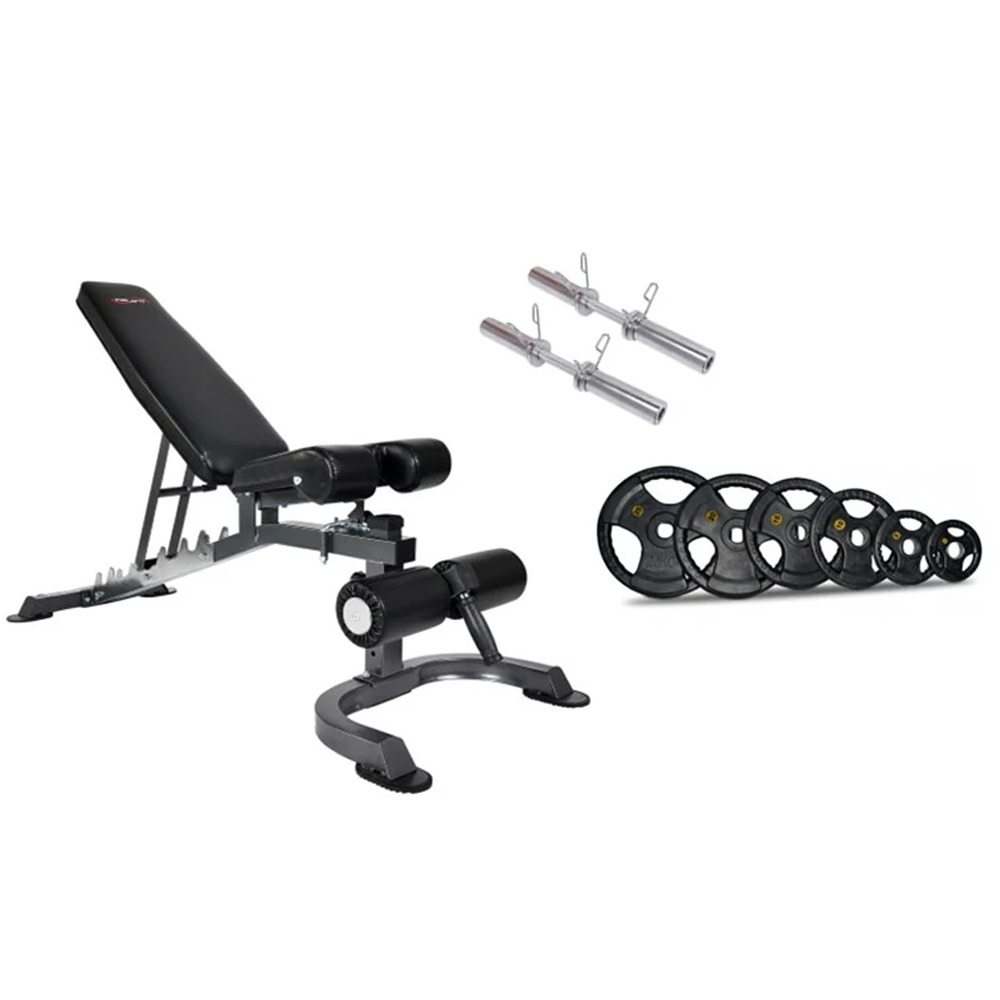
If you have a little equipment, adding resistance bands, dumbbells, or a bench makes the workout even more effective.
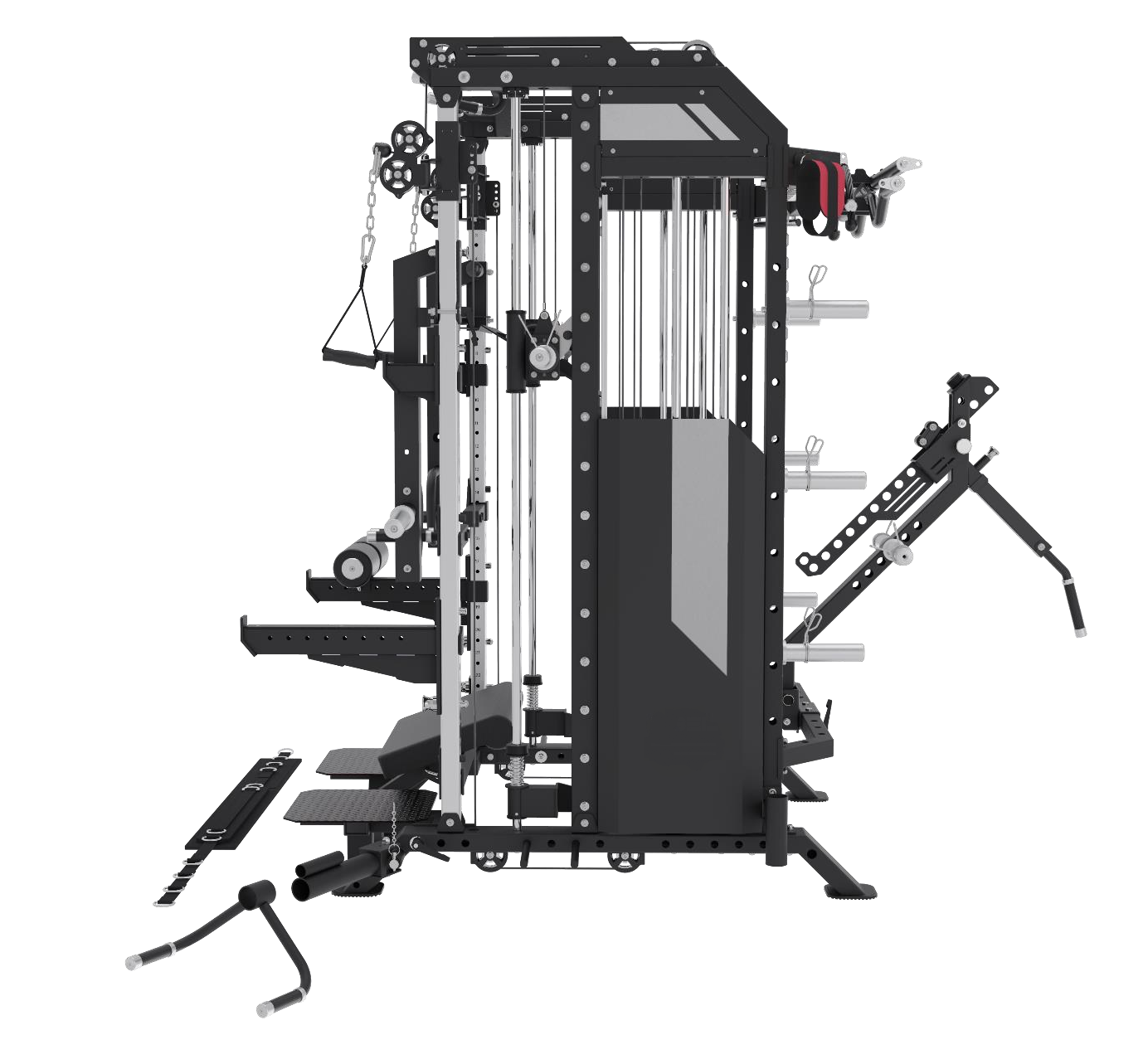
That is exactly where Trojan Fitness gear fits in naturally, because a few well-chosen pieces can turn a basic home routine into a real top glute workout.
The Best Fitness Equipment for Glute Exercises at Home
You do not need a commercial gym to build stronger glutes. A solid home setup can be as simple as resistance bands, dumbbells, a sturdy bench or step, and a place to perform hip thrusts, bridges, split squats, and step-ups.
Strength training can be done effectively with free weights, resistance bands, or your own bodyweight, and those tools are enough to create real progress at home.
For more serious glute work, a barbell and bench open the door to heavier hip thrusts, Romanian deadlifts, and split squat variations.
A step platform or box also helps with step-ups and elevated split squats, which are excellent for glute strength and stability. If you are building a home gym in Perth, these are the core pieces worth investing in first.
Still feeling your quads more than your glutes?
Build Bigger & Stronger Glutes with Premium Home Gym Equipment at Trojan Fitness
If your workouts are not giving you the glute burn, strength, or shape you want, the problem is often not effort; it is setup. The right bands, dumbbells, benches, and home gym equipment can help you train better, progress faster, and get more out of every rep.
At Trojan Fitness, you will find the gear you need to build stronger glutes work at home, from beginner-friendly tools to serious strength essentials.
Shop Glute Training Equipment
FAQs
- How often should I do glute exercises?
For most people, training the major muscle groups at least two times a week is a solid target. And you should avoid working the same muscle group on consecutive days. That gives your glutes enough stimulus to grow while still allowing recovery.
- Can bodyweight glute exercises build bigger glutes?
Yes, bodyweight glute training can build strength and muscle, especially when you make the exercises harder over time with more reps, slower tempo, pauses, single-leg variations, or added resistance. Bodyweight bridges, lunges, and step-ups are all useful starting points.
- What are the best glute exercises for beginners?
The best beginner-friendly glute exercises are usually glute bridges, step-ups, split squats, clamshells, and reverse lunges. These movements are easier to learn, help build coordination, and still target the glutes effectively.
- Are glute medius exercises important?
Yes. The glute medius helps stabilise the pelvis and control hip movement, especially during walking, running, and single-leg work. That is why glute medius exercises like lateral lunges, clamshells, and side-lying leg lifts are so valuable.
- What is the best gluteus maximus muscle workout at home?
A strong gluteus maximus muscle workout at home should include hip thrusts, glute bridges, split squats, Romanian deadlifts, and lunges. These exercises target hip extension, which is the main job of the gluteus maximus, while also building size, strength, and control.
Disclaimer:
The content on this blog is shared for general information only and is not meant to replace professional or medical advice. While we do our best to keep everything accurate and up to date, we can’t promise that all information is complete or fully reliable at all times. Any action you take based on this content is your own responsibility. It’s always a good idea to speak with a qualified professional before making major changes to your diet, workout routine, or lifestyle. We are not liable for any issues or outcomes that may come from using the information provided here.
 All Payment Methods are Accepted